The design of stands has ceased to be a mere aesthetic question to become a strategic communication element. Today, companies not only seek to highlight, but also to transmit their values, attract qualified leaders and project a image consistent with their brand. So, to know the trends in design of stands for fairs is key to making the most of investment in events.
- 1. Minimalist designs with maximum impact
- 2. Sustainable and reusable materials
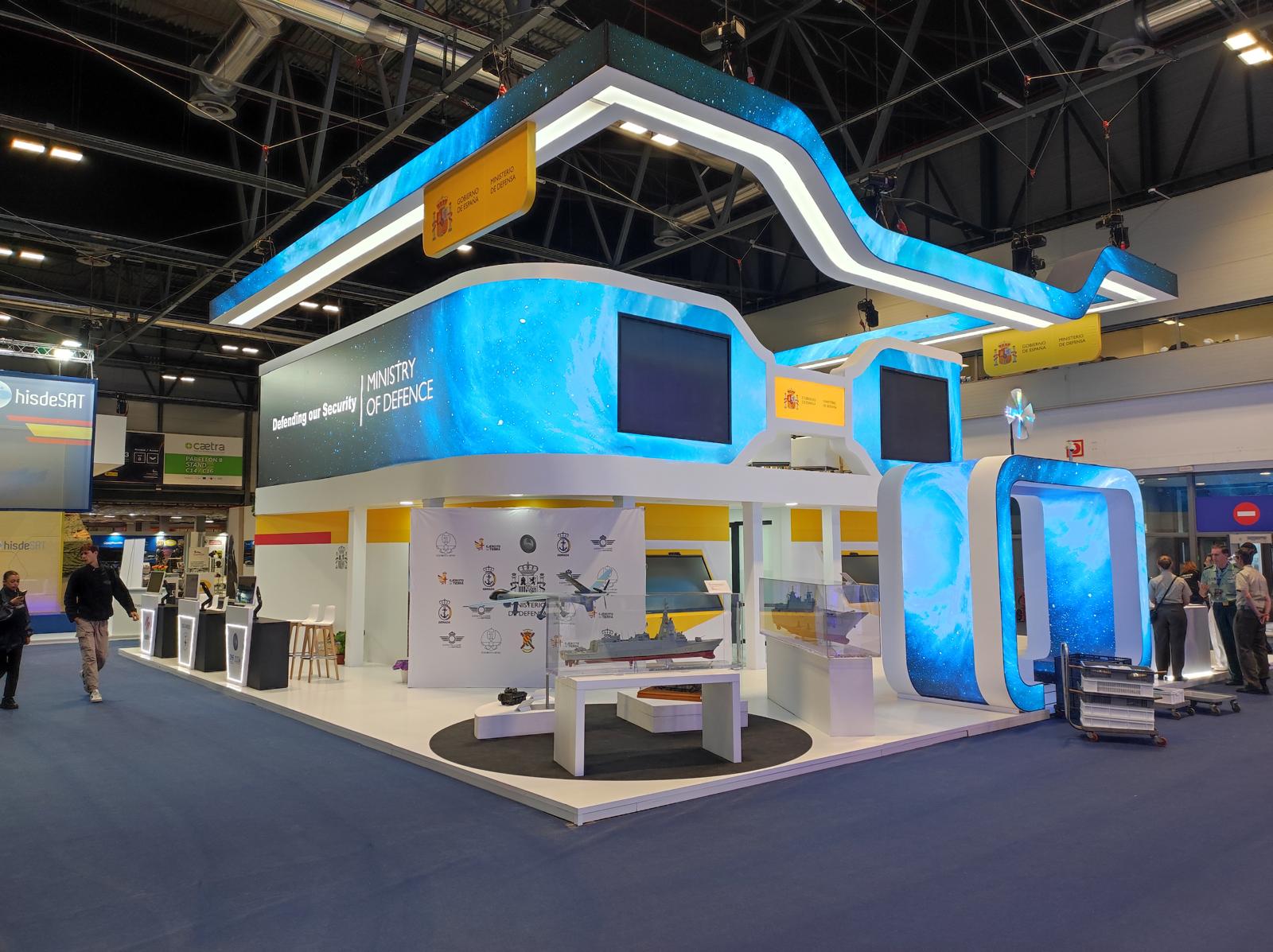
- 3. Immersive technology: from LED to increased reality
- 4. Hybrid spaces: networking and experience
- 5. Trend and emotional design colors
- 6. Sensory experiences: beyond the visual
- 7. Flexible modularity and adaptable stands
- 8. Strategic lighting as a protagonist
- Frequently asked questions
- Conclusion
In Europe, professional fairs are an economic engine that concentrates thousands of brands each year. According to the European Fairs Association (UFI), More than 260 million people visit fairs annually, and the design of the stand is one of the most determining factors for attracting the visitor. In this article we analyze the trends that are marking the future of the stands and how to apply them to your next event.
1. Minimalist designs with maximum impact
Simplicity remains a safe bet. Less elements, clearer and more direct, get the brand message understood quickly. A minimalist design:
- It strengthens the visibility of key messages.
- It generates more open and accessible spaces.
- It improves visiting experience, avoiding visual saturation.
According to a report from Event Market, 70% of visitors better remember the stands that transmit simple and direct messages.
2. Sustainable and reusable materials
Sustainability is no longer optional, it is a demand of the public and of the holiday organizations. European exhibitors call for:
- FSC certified aluminium and wood structures.
- Printed textiles with organic and recyclable inks.
- Reuse of components for different events.
A study of Statista indicates that the 82% of attendees value the brands that show a commitment to sustainability.
3. Immersive technology: from LED to increased reality
The use of technology is one of the more powerful trends at European fairs. Large format LED screens, immersive experiences and increased reality allow:
- Explain complex products in a simple way.
- Offer interactive experiences that hold the visitor more time.
- Create content that is shared on social networks.
According to CEIR figures, the stands that include digital experiences get a 35% more interaction with visitors against those who do not.
4. Hybrid spaces: networking and experience
The stand is no longer just an exposure point. Now combine networking spaces, areas for private meetings and open areas of interaction. This distribution:
- It favors the natural flow of visitors.
- It offers different experiences within the same stand.
- It allows the communication to be adapted to different public profiles.
5. Trend and emotional design colors
The use of color is a strategic tool. In 2025, the most used ranges at European fairs tend to:
- Natural and terrous tonesassociated with sustainability and trust.
- Vibrating colors in details to generate points of attention.
- sober combinations that transmit elegance and professionalism.
A study by Color Marketing Group notes that color influences even a 85% of purchase decisions in an exhibition environment.
6. Sensory experiences: beyond the visual
The brands seek to generate memorability through the senses. Some key actions are:
- Corporate aromas to strengthen identity.
- Textures on walls and furniture that invite you to play.
- Use of environmental music to create atmospheres.
Such experiences generate a 60% more durable memory in visitors, according to data from MarketingProfs.
7. Flexible modularity and adaptable stands
European exhibitors prioritize stands that can be adapted to different spaces and events. Designs with reusable structures:
- They reduce costs by up to 30% at successive fairs.
- They offer flexibility for different surface formats.
- They are more sustainable and easy to transport.
8. Strategic lighting as a protagonist
The lighting no longer only accompanies, now leads the stand design. The following are used:
- Dynamic LED lights that change color to mark rhythms.
- Backlight in graphics to highlight messages.
- Timely lighting for star products.
Frequently asked questions
Aluminium, FSC certified wood, recyclable textiles and reusable panels are the most demanding for their balance between durability and sustainability.
Large-format LED screens and increased reality, which allow you to explain products visually and generate immersive experiences.
It is recommended to build on corporate identity and design trends. Natural tones transmit sustainability, while vibrant tones attract attention.
It is estimated that 55% of companies in Europe reuse part or all of their stand at different fairs to optimize costs and be more sustainable.
A stand with strategic lighting can increase by up to 40% the stay time of visitors against the products exposed.
Conclusion
The trends in design of stands for fairs In Europe, they aim for sustainability, immersive technology and emotional personalization. To bet on these innovations not only improves aesthetics, but also multiplies commercial opportunities. In Full-Expo We help companies integrate these trends into turnkey projects, ensuring impact and return at each event.