Participating in a fair or congress can be one of the most strategic decisions to increase the brand projection. However, for effort and investment to generate real results, it is essential to have a well planned stand that faithfully represents the identity of the company, attracts qualified visitors and leaves a lasting impression.
In this article we explain how to position your brand at a fairfrom the choice of space to the design and resources needed to highlight the competition and maximize the return of your presence.
- The importance of an impressive presence at fairs
- 1. Location: the first step to position you
- 2. Design: Communicates the essence of your brand
- 3. Content and messages that connect
- 4. Qualified and proactive personnel
- 5. Actions before, during and after the event
- 6. Reuse and sustainability: a coherent and responsible image
- 7. Real cases: the tangible impact of good planning
- Frequently asked questions
The importance of an impressive presence at fairs
According to a study by Statista, more than 77% of those attending professional fairs make purchase decisions based on interactions in the stands. In addition, a report from CEIR (Center for Exhibition Industry Research) indicates that the brands that invest in design and planning get up to a 56% more leads than those who don’t.
With these data, it is clear the importance of having a stand that is not only present, but that make a difference And be memorable.
1. Location: the first step to position you
The space you choose at a fair can determine the success of your participation. A good place must have:
- High visibility: areas close to entrances, main corridors or rest areas.
- Constant flow of attendees: prevents dead areas or isolated corners.
- Proximity to related exhibitors: allows synergies and better segmentation of the target public.
2. Design: Communicates the essence of your brand
The stand design is key to transmit values and positioning of your brand. It’s not just about aesthetics, it’s about strategy:
- Visual coherence: use of colors, typographs and messages that reflect your corporate identity.
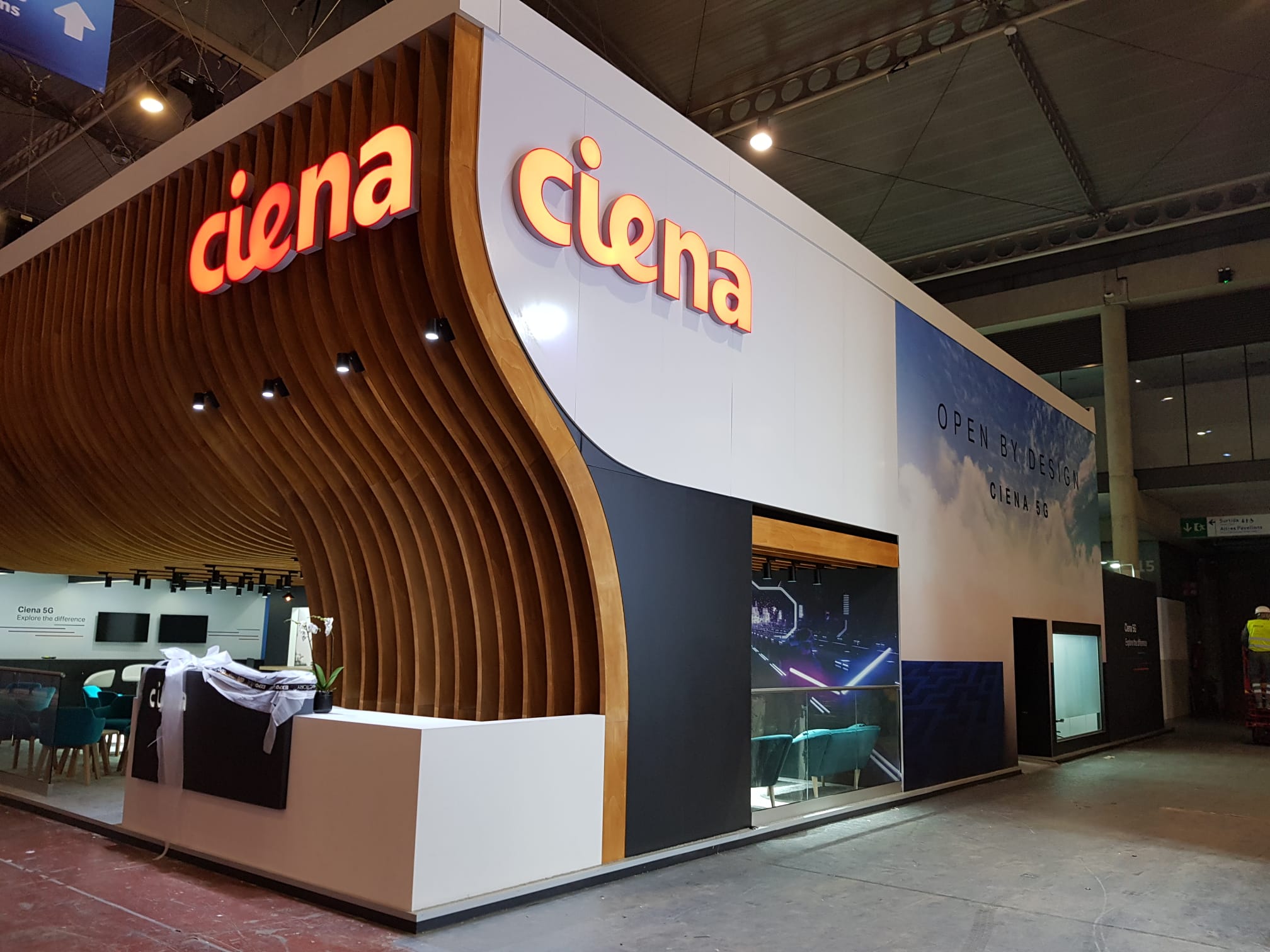
- Impressive elements: LED screens, focused lighting, structures with volume or height.
- Brand experience: interactive areas, product demonstrations or sensory environments.
70% of visitors remember a brand for the design of their stand if well executed, according to Event Market data.
3. Content and messages that connect
Your message must be aligned with your target and public. To highlight:
- Define a key message and make it visible from different angles of the stand.
- Integra Storytelling elements Humanize the mark.
- Incorporates digital content: videos, presentations or demos on screens.
4. Qualified and proactive personnel
A good design is of no use if the team that represents your brand is not up to it. Make sure you have:
- Personnel trained in product and brand.
- Proactive and communicative attitude.
- Ability to generate leads and follow-up.
According to a study by Exhibitor Online, 85% of the impressions at fairs are influenced by the treatment received at the stand.
5. Actions before, during and after the event
Before
- Invite your contacts to visit you at the stand.
- He’s launching a previous campaign on social media.
- Prepare downloadable materials and demonstrations.
During
- It carries out activities to generate traffic: draws, games, demos.
- Follow up on hashtags and live publications networks.
After
- Send custom emails to the captured contacts.
- Analyzes metrics: leads, visits, conversions.
- Share learning and results with the team.
6. Reuse and sustainability: a coherent and responsible image
Today more than ever, the image you project also depends on your commitment to the environment. Use reusable structures, recyclable materials and planning to avoid waste, strengthens your position as a responsible company.
7. Real cases: the tangible impact of good planning
In Full-Expo, marks that have trusted us have achieved:
- 40% increase in lead uptake for previous editions without professional planning.
- Double the average time of stay visitors on the stand thanks to an immersive experience.
- Reduce logistical costs by 30% thanks to reusable structures and intelligent design.
These results show that a well-planned stand is not an expense, it is an investment with direct return on visibility, recognition and business.
Frequently asked questions
It depends on the objective, product / service type and budget. More than size, the important thing is how you take advantage of the space available with intelligence.
The ideal is to start at least 3 months before the event. So you can choose better location, design without haste and coordinate production and logistics.
Through KPis as the number of leaders generated, meetings held, stand visits, networking and short / medium-term economic return.
Not mandatory, but recommended. The interactive content increases the retention of visitors and facilitates data collection.
Yeah. In fact, we design reusable and adaptable structures to save costs and maintain visual coherence at different events.