
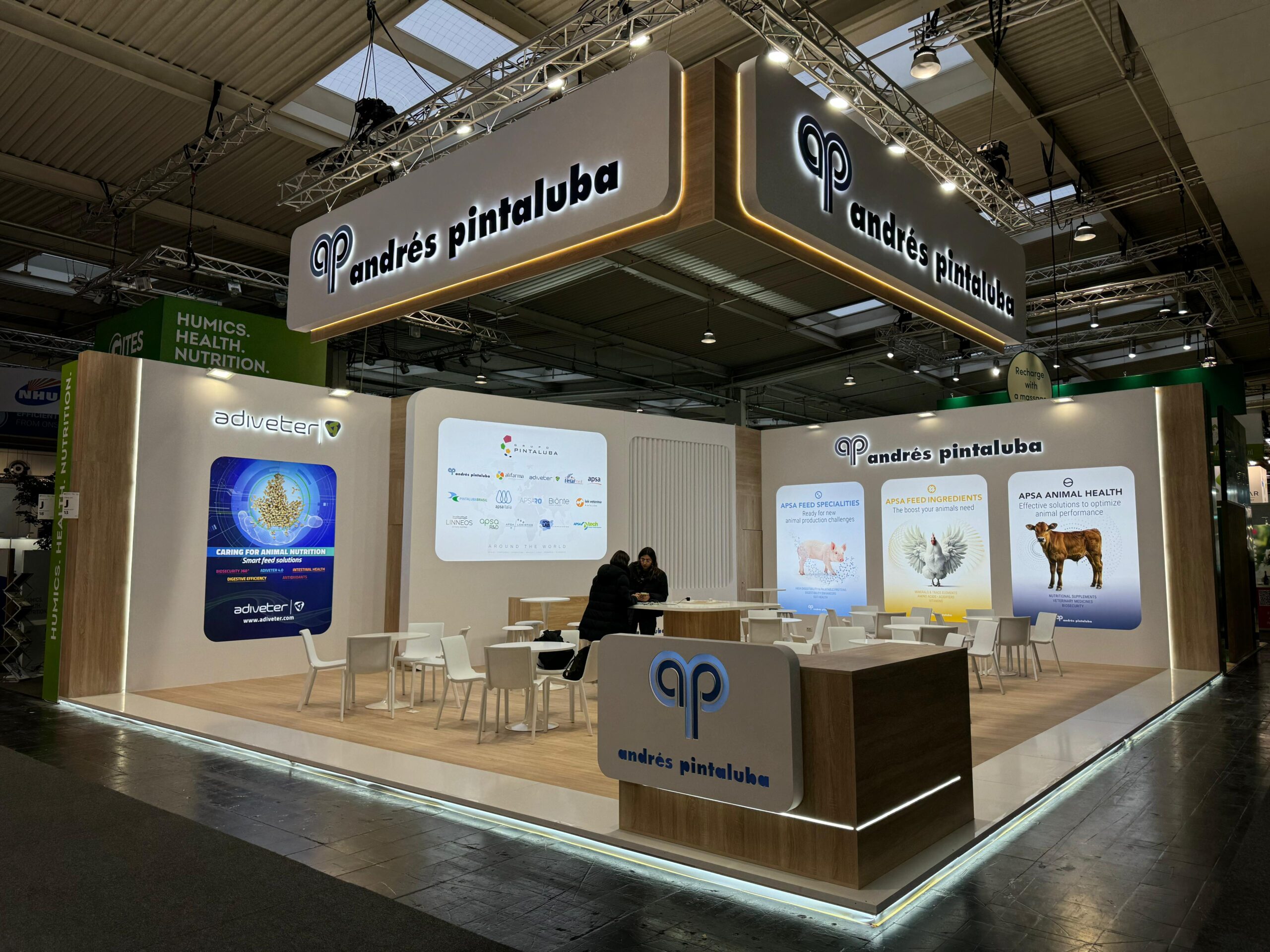
Sustainability in the design of stands for fairs and congresses is a growing trend, driven by the need to reduce environmental impact without compromising creativity or functionality. In this article, we will explore how recyclable materials are revolutionizing the construction of standsproviding innovative and responsible solutions to the environment.
The importance of recyclable materials in the construction of stands
Use of recyclable materials in fair stands not only helps to minimize the waste generated, but also strengthens the image of brands as responsible and committed to sustainability. These materials allow the creation of reusable, light and resistant structures, ideal for temporary events.
Recyclable materials most used in the manufacture of stands
1. Recycled aluminium
The recycled aluminium is a material widely used in the manufacture of modular stand structures due to its durability, lightness and ease of assembly.
- Advantages: Resistant, reusable and 100% recyclable.
- Use: Support structures, modular frames and display systems.
2. Recycled plastic
The recycled PET plastic is used in panels, signage and decorative elements. Its versatility allows innovative designs without compromising sustainability.
- Advantages: Light, water-resistant and easy to customize.
- Use: Decorative panels, signs and modular exhibitors.
3. High-strength recycled cardboard
The recycled cardboard is an innovative and ecological option that allows the creation of temporary structures with a striking visual impact and simple assembly.
- Advantages: Economic, biodegradable and highly customizable.
- Use: Furniture for stands, advertising panels and ephemeral counters.
4. Certified and recycled wood
The certified wood comes from sustainably managed forests and is an excellent choice for stands with a natural and elegant design.
- Advantages: Reusable, resistant and provides warmth to the design.
- Use: Furniture, exhibition structures and coatings.
5. Recycled textiles
Use of Recycled fabrics in large format textile printing allows to create high quality graphics with a lower ecological footprint.
- Advantages: Flexible, reusable and of high visual quality.
- Use: Stand funds, signage and decorative elements.
Benefits of using recyclable materials in stands
Incorporate recyclable materials into the construction of stands offers multiple advantages for brands and the environment:
- Less environmental impact: It reduces the use of natural resources and waste generation.
- Cost optimization: Reusable materials reduce long-term investment.
- Sustainable brand image: It reinforces the company’s reputation as a brand committed to the environment.
- Greater flexibility and creativity: It allows innovative designs without compromising functionality.
Tips for designing a sustainable stand
- Plan in advance: It designs reusable structures that can be adapted to different events.
- Optimizes transport: Use light and modular materials to reduce the carbon footprint.
- LED lighting bet: It reduces energy consumption without sacrificing the visibility of the stand.
- Prioritizes sustainable suppliers: It works with companies that offer certified and recyclable materials.
Frequently asked questions about recyclable materials in stands
Yes, many recyclable materials, such as aluminium and certified wood, offer the same resistance and durability as their conventional versions.
Not necessarily. Although some materials may have a higher initial cost, their reuse and reduced environmental impact compensate for long-term investment.
Yes, most of these materials allow reuse in multiple events without losing quality or functionality.
Recognized certifications include FSC (Forest Stewardship Council) for wood, GRS (Global Recycled Standard) for textiles and the Cradle to Cradle label for recyclable products.
Choose certified materials, bet on modularity, use LED lighting and plan efficient waste management to minimize environmental impact.