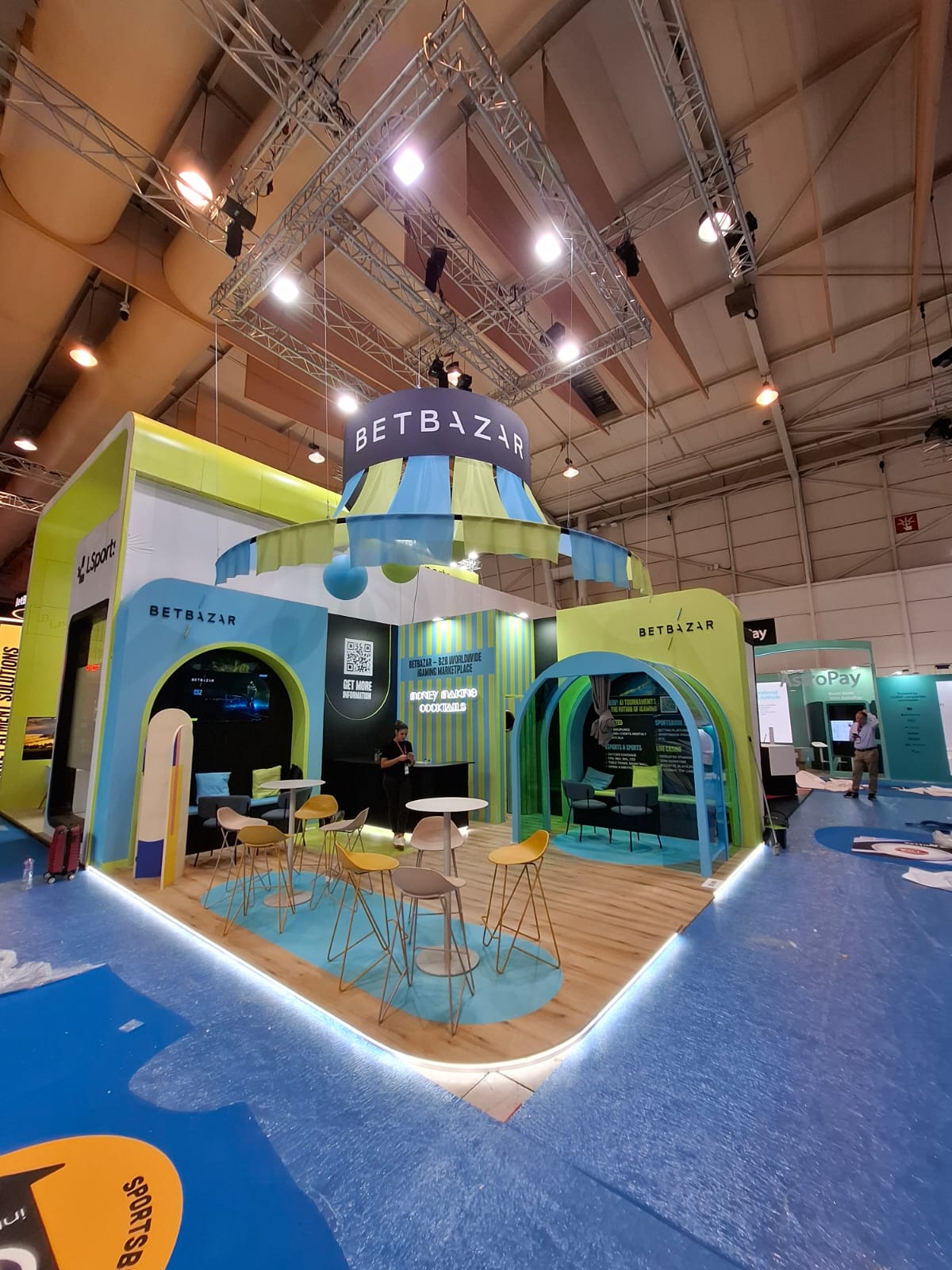
The multifunctional stands are redefining the way companies present themselves at fairs and congresses. Designed to offer versatility, efficiency and visual impact, these stands are adapted to different needs and spaces, maximizing performance in each event. In this article, we will explore how to design a multifunctional stand and the benefits it offers for brands that seek to highlight in a competitive environment.
What is a multifunctional stand?
A multifunctional stand combines several elements and areas in the same space, allowing the brands to perform various activities simultaneously. These stands are designed to adapt to different sizes, objectives and public, providing a comprehensive solution for fairs and events.
Benefits of multifunctional stands
Opting for a multifunctional stand offers multiple advantages for companies:
- Adaptability: They are easily adapted to different configurations and spaces, making them ideal to participate in various fairs.
- Space optimization: They allow to integrate exhibition areas, meetings and demonstrations into a single efficient design.
- Cost reduction: As reusable and modular, multifunctional stands minimize production and transport costs.
- Increased impact: Designed to be attractive and functional, they capture attention and improve the visitor’s experience.
Key elements for designing a multifunctional stand
1. Modular design
Modular stands are the basis of multifunctionality. Permit reconfigure structures according to the needs of the event, maintaining a coherent and professional design.
- Interchangeable panels that adapt to different stand sizes.
- Removable and reusable structures to minimize costs.
- Customization options that strengthen the identity of the brand.
2. Specific areas
A multifunctional stand should include specific areas for various activities, such as:
- Exposure area: Spaces to show products or services in an attractive way.
- Meeting areas: Comfortable places to interact with potential customers.
- Interactive space: Technological activities such as touch screens or live demonstrations.
- Integrated storage: Practical solutions to save materials and keep the stand ordered.
3. Use of technology
Incorporate advanced technology in the design of the stand improves the visitor experience and strengthens the brand message.
- LED panels: To show videos, presentations or dynamic messages.
- Increased reality: It offers immersive experiences for the attendees.
- Audio systems: It improves communication and highlights key presentations.
4. Sustainable materials
Use of sustainable materials not only reduces the environmental impact, but also communicates a message of social responsibility to the attendees.
- Recycled aluminium and reusable panels.
- Large format textile printing for shock graphics.
- LED lighting to reduce energy consumption.
Tips to optimize your multifunctional stand
Here are some practical tips to make the most of a multifunctional stand:
- Plan in advance: Define your goals and the activities you want to do on the stand.
- Invest in professional design: A well-developed design can make a difference in how the attendees perceive your brand.
- Train your team: Make sure your staff knows how to make the most of the stand features.
Frequently asked questions about multifunctional stands
The multifunctional stands are highly customizable. You can adjust structures, graphics and technology according to the specific needs of each event.
Yes, they are designed to be reusable and adaptable to different sizes and configurations, making them a cost-effective investment.
LED screens, sound systems and interactive solutions such as touch screens or increased reality are excellent options to improve the visitor’s experience.
Using recyclable materials, modular structures and low-consumption lighting systems like LED. It also plans transport to reduce the environmental impact.
Time depends on the complexity of the design, but it is generally recommended to start the process at least 3-4 months before the event.