
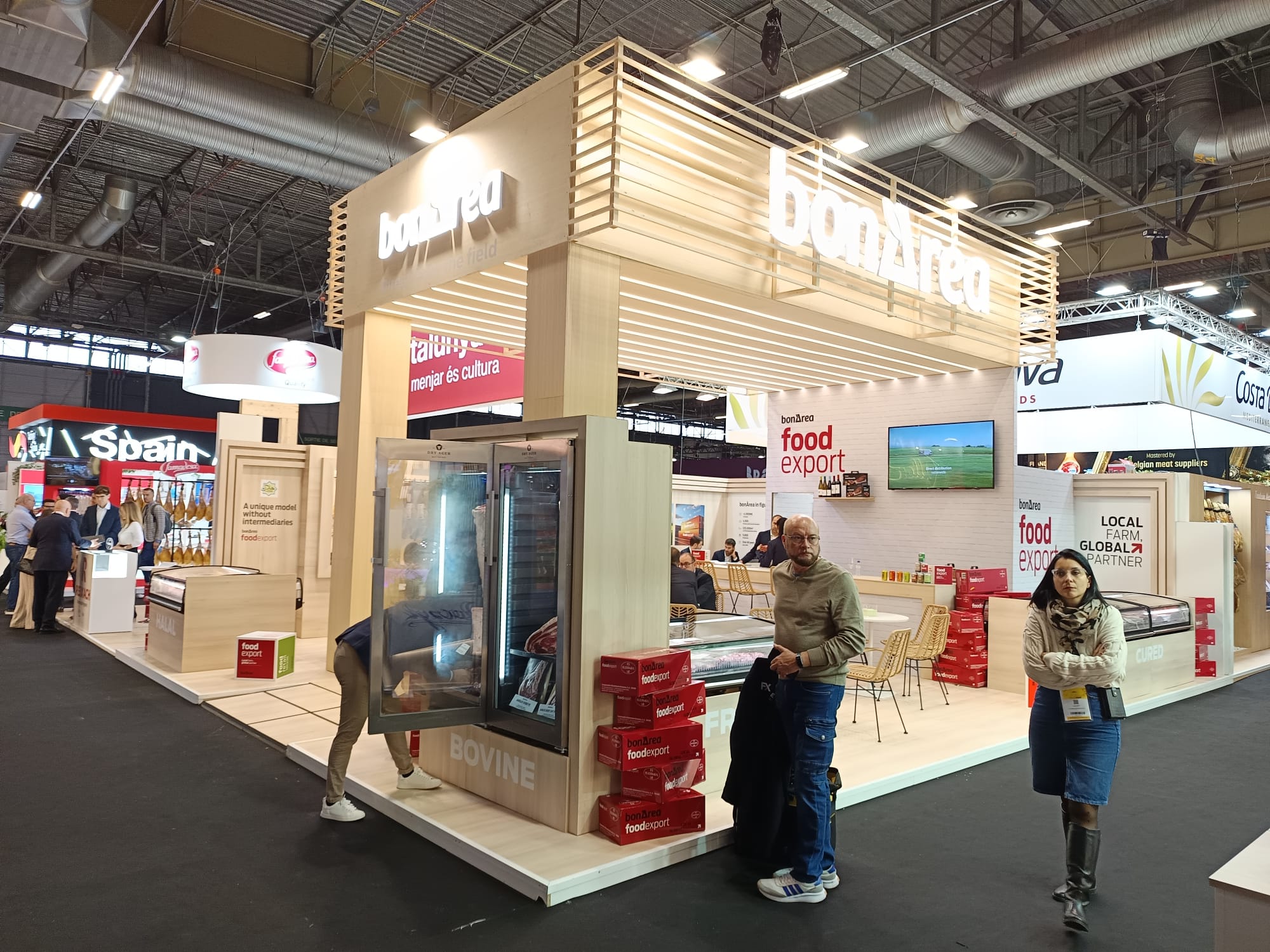
Coordinate the assembly of a stand at a fair or congress is a logistical, creative and technical challenge that requires planning, fluent communication and experience. Whether you are a communication agency, an event organization or a brand that participates in fairs, understand how to manage each phase of this process will make the difference between success and chaos.
In this article we offer you a Full project management guide so you can effectively coordinate the assembly of your stand, optimizing times, resources and results.
- 1. Previous planning: the secret of a single assembly
- 2. Design and validation of the technical project
- 3. Production and manufacture of the stand
- 4. Logistics and transport to the fair
- 5. Coordination of fair assembly
- 6. Quality control and stand delivery
- 7. Disassembly and storage of the stand
- Coordination checklist for agencies and companies
- FAQs
- Conclusion
1. Previous planning: the secret of a single assembly
It all starts long before the fair starts. The planning phase is critical to define the goals of the stand, its technical and logistical requirements, and the work schedule. Some key actions include:
- Define the objectives: Do we want to capture leads, launch a product or strengthen brand image?
- Setting the budget total, including design, manufacture, transport, assembly and disassembly.
- Choose the supplier of trust in the design, production and assembly.
- Book space at the fair and know their regulations (technical plan, schedules, access…).
A good schedule. must contemplate all the milestones from the briefing to the final delivery of the stand at the fair.
2. Design and validation of the technical project
The stand design must be adapted to the contracted space and aligned with the brand identity and defined objectives. At this stage it is vital that:
- The design includes construction requirements and suitable transport and assembly materials.
- The technical with the organization of the event.
- All the elements to be produced are defined: graphic, lighting, furniture, screens, etc.
Coordination with the technical office of the supplier is essential to avoid last-minute errors.
3. Production and manufacture of the stand
Once the technical design has been approved, the manufacturing phase begins. This is where the supplier’s experience comes into play:
- Use of efficient construction systems reducing assembly times and allowing reuse.
- Quality control at each stage: carpentry, printing, hardware, rotations, etc.
- Previous assembly tests to ensure that everything fits.
According to data from the Global Exhibition Barometer, 84% of the organizers prioritize suppliers that guarantee delivery on time and quality of execution.
4. Logistics and transport to the fair
Logistics coordination is another critical point:
- Transport planning with enough time to avoid road setbacks.
- Clear identification of parts and materials to facilitate on-site assembly.
- To know the access to and rules of the exhibition site to avoid delays for documentation, schedules or measures.
Logistics efficiency allows you to gain valuable assembly time and reduce last-minute contingencies.
5. Coordination of fair assembly
The key moment. The assembly must be carried out in a coordinated manner and in accordance with the established plan. It is essential to have:
- One Project Manager monitor each step of the assembly.
- Self-assembly equipment or experienced collaborators.
- Constant review of finishes, graphics, electrical systems and cleaning before delivery.
Count on a company that makes turnkey assemblies, like Full-Expo, allows the agency or company to delegate and focus on the final customer.
6. Quality control and stand delivery
Before opening up to the public, a complete review of the space is carried out:
- Verification of lighting, electricity and screens.
- Review of Graphisms and structure (no bubbles, no defects, no transport damage).
- Last aesthetic adjustments and cleaning.
A well-mounted stand is the one that transmits professionalism and guarantees safety for visitors and staff.
7. Disassembly and storage of the stand
Once the event is over, the stand must be removed in an orderly and efficient manner:
- Retreat of electronic elements, reusable or fragile materials.
- Storage of parts if future use of the stand is expected.
- Review of materials to value reuse or recycling.
The possibility of reusing a stand in future events allows save up to 30% in costs by sector estimates.
Coordination checklist for agencies and companies
- Â Clear Briefing with event objectives
- – Timing of tasks and deliveries
- – Coordination with design and assembly provider
- ▪ Validation of technical plans with the fair
- – Production control and prior testing
- – well-planned logistics
- – On-site monitoring of assembly and finishing
- ▪ Post-event review and closure
FAQs
It depends on the complexity of the design and the size of the stand. For a medium project it is recommended to start planning with at least 8 weeks in advance.
A tailor-made stand requires greater technical coordination, more validation of plans and longer production times, but offers a increased visual impact and customization.
One project manager specialized in stands, act as a partner between client, designers, builders and fair. This role is key to ensuring coherence, time frames and results.
Yeah, if it’s designed with that intention. Many stands are made to be dismantled, transported and adapted to different fairs or spaces.
The organization of the fair may apply penalties or even prevent access to the public if the stand is not fully mounted. Hence the importance of working with reliable and experienced suppliers.
Conclusion
Coordinating the assembly process of a stand requires experience, planning and response capacity. With a correct one project management, you can turn every participation into a fair as a successful opportunity for your brand, without any setbacks or last minute surprises. In Full-Expo We take care of everything, so that you focus on the most important: impact, connect and sell.