
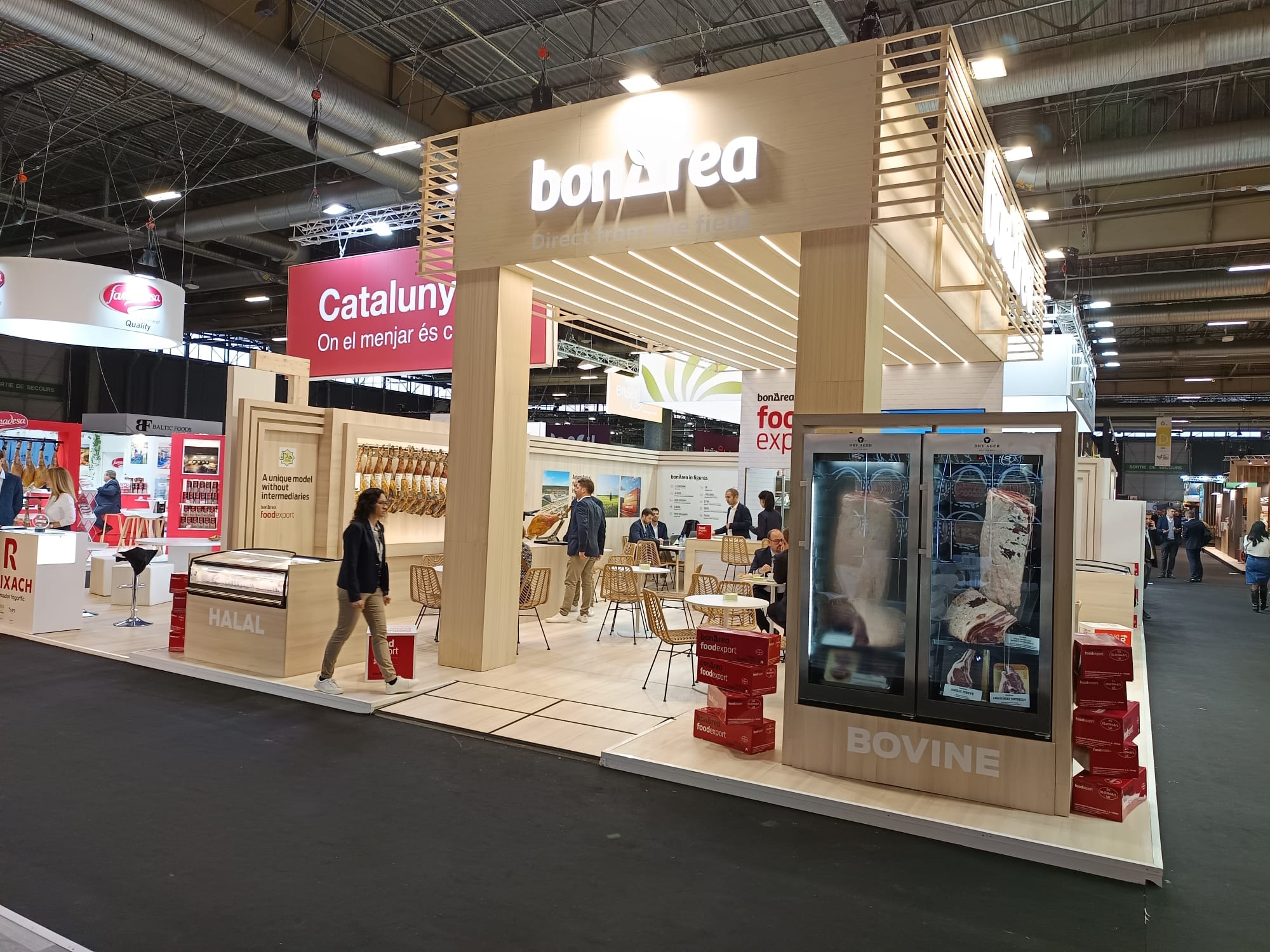
Use of organic coatings in stands of fairs and congresses is a growing trend as it allows to combine sustainability, design and functionality. Environmental-friendly materials not only reduce the environmental impact, but also provide an innovative and aesthetically attractive touch. In this article, we will explore the different types of ecological coatings and how they can transform your stand without compromising quality or style.
Why choose ecological coatings for stands?
Opting for organic materials in the construction of stands has multiple advantages for both businesses and the environment:
- Waste reduction: Recycled and reusable materials minimize waste.
- Reduced carbon footprint: The use of sustainable materials helps reduce CO-emissions.
- Responsible brand image: It shows a real commitment to sustainability and strengthens brand identity.
- Variety of designs: There are multiple options of ecological finishes that allow to create unique and attractive stands.
- Durability: Modern ecological coatings are resistant and reusable in multiple events.
Types of ecological coatings for stands
1. FSC certified wood
The FSC certified wood Forest Stewardship Council comes from sustainably managed forests, ensuring their minimal impact on the environment.
- Advantages: Resistant, warm and fully recyclable.
- Use: Modular walls, displays and decorative elements.
2. Recycled cardboard panels
The recycled cardboard panels are a light, economical and completely biodegradable option, ideal for ephemeral stands.
- Advantages: Low cost, easy assembly and customizable design.
- Use: Stand funds, exhibitors and internal divisions.
3. Organic textile printing
The Recycled textiles allow to create striking visual coatings without damaging the environment. They can be used for large-format printing with ecological inks.
- Advantages: Flexible, light and high visual quality.
- Use: Graphic panels, stands and signage.
4. Bamboo coverings
The bamboo is an ecological and aesthetic alternative to traditional wood. Its rapid growth and durability make it a sustainable option.
- Advantages: Elegant, resistant and renewable.
- Use: Flooring, walls and decorative structures.
5. Organic paints and varnishes
The ecological coatings no toxic compounds allow to cover surfaces without affecting air quality.
- Advantages: They do not emit harmful substances and offer a wide range of colors.
- Use: Paredes, furniture and decorative stand elements.
How to implement ecological coatings on your stand
To achieve an attractive and sustainable stand, follow these recommendations:
- Plan in advance: Choose sustainable materials from the design phase.
- Use a combination of coatings: It integrates different textures and finishes for a more innovative result.
- Opts for LED lighting: It complements the ecological materials with low-consumption lighting.
- Prioritizes reusable materials: It designs a modular stand that can be used at multiple fairs.
Frequently asked questions about ecological coatings in stands
It depends on the material. Some ecological coatings, such as recycled cardboard, can be cheaper, while options such as certified wood can have a higher initial cost, but they compensate for durability and reuse.
Yes, it’s recommended. You can use recycled wood for structure, recycled board for panels and organic textiles for graphic printing.
Choosing high quality materials and applying ecological treatments such as water varnishes or sealants without toxic chemicals.
Many organic materials, such as recycled cardboard and organic textiles, are lighter than conventional ones, facilitating assembly and transport.
Yes, as long as modular and resistant materials are chosen, such as certified wood or bamboo panels.