
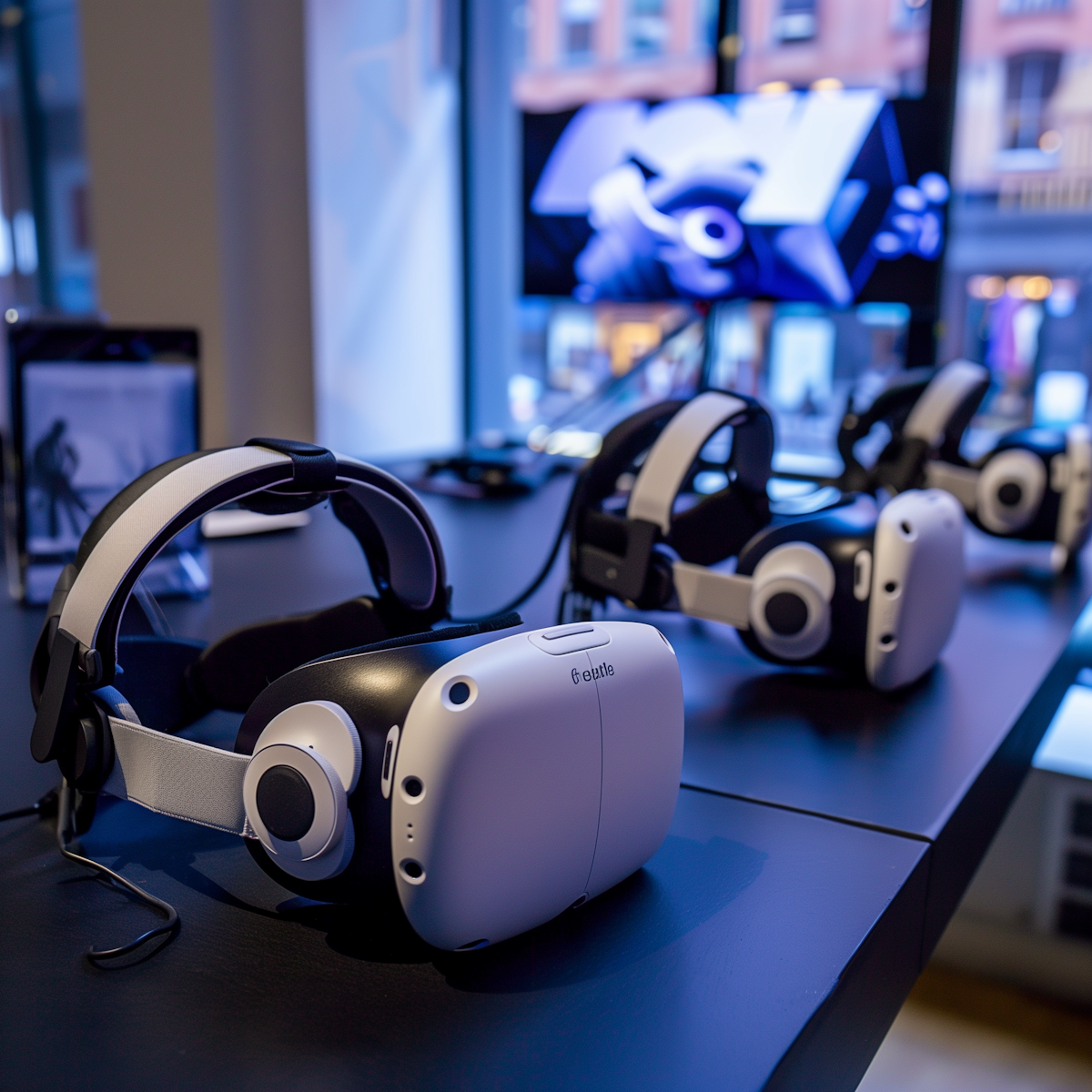
The virtual reality in stands for fairs it has become one of the most powerful tools to attract visitors, generate memorable experiences and differentiate in an environment as competitive as that of professional events. At a time when innovation is key to getting attention, brands that incorporate immersive technologies can multiply their visibility and improve the perception of their value proposal.
According to the report Global Virtual Reality Market Forecastthe use of virtual reality in marketing actions has grown by 27% per year since 2020, and it is expected that 60% of the exhibitors at European fairs will integrate immersive experiences before 2026. Virtual reality is not just a trend: it is a strategy of differentiation that drives engagement, increases the visitor’s time of stay and helps to communicate messages much more effectively.
1. Why bet on virtual reality at a fair stand?
Virtual reality transforms the stand into a space where the visitor can actively interact with the brand. It is no longer about showing a product: it is about making the user live it, experience it and remember it.
- Increase the traffic to the stand: immersive experiences generate curiosity and attract visitors from afar.
- Improves brand memory: studies indicate that VR increases memory to 75% compared to traditional experiences.
- It shows complex products: ideal for sectors such as industry, technology, architecture or machinery.
- Reinforce the innovative positioning: the brands that use VR are associated with modernity and leadership in your sector.
An analysis of Event Tech Europe points out that the stands that make up VR are 45% longer than the stands without immersive experiences, resulting in more interaction and more commercial opportunities.
2. Virtual reality applications in fair stands
VR can be adapted to multiple uses within a stand. The key is to design an experience consistent with the identity of the brand and the objectives of the event.
Virtual product or plant tours
Perfect for companies that cannot transport machinery or architectural projects. The visitor can go through factories, see productive processes or explore spaces that would otherwise not be accessible.
Interactive simulations
It shows how a product works, how it behaves in different scenarios, or how it is integrated into the customer’s day-to-day.
narrative experiences
The brands can tell their story through immersive tours, interactive storytelling or 360 ° experiences that thrill the user.
Training demonstrations
Ideal for sectors that require technical training: the visitor learns through safe and realistic simulators.
3. How to integrate virtual reality into your uncomplicated stand
For VR to function properly in a fair environment, it is essential to plan both the stand design and the technological experience.
Choose the right equipment
- Autonomous VR Gams: like Meta Quest, very easy to use and without cables.
- Systems connected to PC: for high visual fidelity experiences.
- Sensors and controls: to add advanced interaction.
Designs an accessible and well-guided experience
The learning curve must be minimal. It is recommended to have personnel that guide the user and ensure that experience flows naturally.
Watch safety and ergonomics
- Padded or delimited area to avoid accidents.
- Swivel chairs for experiences that require less movement.
- Continuous monitoring by the stand team.
Optimizes integration with stand design
In Full-Expo We design stands that naturally integrate the VR, creating spaces where technology, aesthetics and functionality coexist without interference.
4. Competitive advantages of using VR at European fairs
The European fairs are highly competitive, with thousands of exhibitors struggling to get the visitor’s attention. Virtual reality stands out for its ability to generate immediate impact.
- Memorable experience: the visitor remembers the brand as one of the most innovative of the event.
- Opportunity for virality: users tend to record and share experience on social networks.
- Increased conversion: VR stands generate up to 30% more qualified leads according to EventTech.
- Measurable data: you can monitor interactions, times and behaviors.
5. How we do it in Full-Expo
In Full-Expo design, produce and install stands with immersive experiences fully personalized. Our team integrates the VR into the construction of the stand so that the result is visually shocking, practical and 100% aligned with your commercial objectives.
We use textile graphic systems, reusable aluminium structures and digital technology to create spaces where innovation is the protagonist. In addition, we offer support to manage both the installation of equipment and technical assistance during the event.
FAQs
It depends on the type of experience. The most basic can start at €2,000, while advanced simulations can exceed €10,000. The budget depends on the content and equipment required.
Industry, technology, automotive, architecture, health, training… VR is useful for any sector that wants to explain complex processes or create memorable experiences.
Yeah. VR stands usually receive between 40% and 60% more visitors than traditional stands thanks to the so-called effect of immersive experience.
No, as long as it’s planned well. Full-Expo is responsible for the installation, assistance and training of the customer’s equipment.
Sure. The VR can be integrated with interactive screens, sensors, touch experiences, immersive audio or dynamic lighting to create an even more powerful proposal.
Conclusion
The virtual reality in stands for fairs is one of the most effective strategies to highlight, generate interaction and turn visitors into real business opportunities. Immersive technology not only attracts more public, but also enhances brand memory and transmits an innovative and professional image.
At Full-Expo we help you integrate the VR into your stand with efficient, creative and fully personalized solutions. If you want your participation in fairs to be really memorable, we’re ready to join you.