
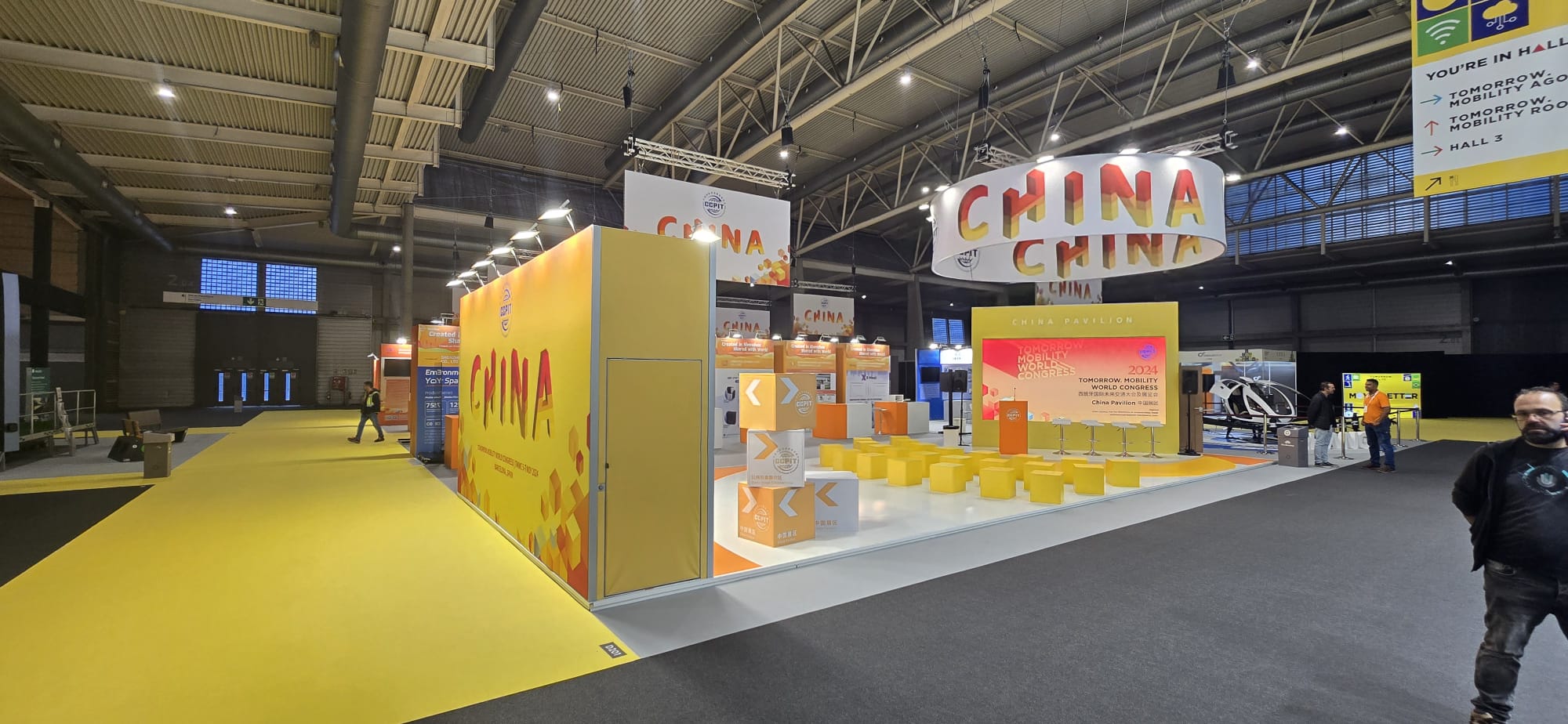
At fairs and congresses, experiential stands are gaining prominence for their ability to create emotional connections and memorable interactions with the visitors. These spaces not only visually highlight, but also offer immersive experiences that reinforce the brand’s message and generate a lasting impact. In this article, we show you how to design stands that capture attention and create unique experiences for your visitors.
What is an experiential stand?
An experiential stand goes beyond traditional exposure. It focuses on offering visitors an interactive and enveloping experience that emotionally connects with them. This type of stands combines creative design, advanced technology and storytelling to create an environment that invites you to explore, interact and remember.
Keys to design a successful experiential stand
1. Define a clear narrative
Storytelling is fundamental in an experiential stand. Define a tell the story of your brand and guide visitors through a coherent and exciting tour.
- Central message: Identify the main message you want to transmit and make sure it is present in each element of the design.
- Thematic scenarios: Create areas within the stand that represent different aspects of your brand’s history or values.
- Emotional connection: Use visual, hearing and touch elements to create an immersive and memorable experience.
2. Incorporates interactive technology
Technology is a powerful ally to capture attention and offer unique experiences. Here are some tools you can integrate:
- Virtual reality (VR): It offers visitors an immersive tour of your products or services.
- Increased reality (AR): It combines physical and digital elements to enrich the user’s experience.
- Tactile panels: They allow a personalized and dynamic interaction with your content.
- Movement sensors: It creates experiences that respond to the movements of visitors, increasing immersion.
3. Designs interactive and functional spaces
Visitors must feel part of the stand. Designs areas that invite the exploration and participation.
- Demonstration stations: Show your products or services in action.
- Rest areas: It offers a comfortable place where visitors can interact with your brand in a relaxed way.
- Gamified activities: Games or contests that strengthen your message and reward participation.
4. Use innovative design and materials
The design and materials of your stand must reflect the personality of your brand and surprise visitors. Some ideas include:
- Dynamic lighting: It changes colors and patterns to create an attractive environment.
- Large format graphics: Impressive visual messages that strengthen your value proposal.
- Sustainable materials: Communicate your environmental values using recyclable and reusable structures.
Benefits of experiential stands
An experiential stand not only improves interaction with visitors, but also generates lasting benefits for your brand:
- Increased brand recognition: Visitors will remember your stand and associate their positive experience with your brand.
- Major engagement: Direct interaction creates an emotional connection that strengthens the message.
- Improved lead generation: An attractive and interactive design motivates visitors to leave their data or participate in activities.
Frequently asked questions about experiential stands
The size will depend on the interactive elements you plan to include and the space available at the fair. A well-optimized design can be effective even in a reduced space.
Time may vary according to the complexity of the design and the technological elements. We usually recommend starting the process at least 4-6 months before the event.
Not necessarily. You can start with simple but effective elements, such as touch screens or demonstration stations, and increase investment as your needs grow.
Short videos, product demonstrations, interactive games and digital forms are excellent options for getting attention and encouraging participation.
It defines key metrics such as the number of visitors, the time of stay, the leads generated and the interaction with the stand elements to assess their performance.